

Our services
We offer evidence-based lymphoedema and oedema management, tailored to each patient’s needs.
Care is focused on early intervention, structured treatment, and supporting optimal recovery outcomes.
Lymphoedema Assessment & Management
Comprehensive assessment of lymphoedema risk and presentation, including early detection using bioimpedance (L-Dex readings). An individualised management plan is developed to guide ongoing care.

Garment Prescription
Custom and ready to wear compression garment fitting and prescription to support symptom relief and prevention of progression.
Scar Management
Targeted treatment to improve scar mobility, comfort, and tissue quality following cancer surgery.

Breast Oedema & Mastitis Management
Treatment for breast oedema and mastitis using therapeutic ultrasound and gentle lymphatic techniques to reduce discomfort and support recovery.
Cancer rehabilitation
Guided exercise and rehabilitation to restore strength, mobility, and function following cancer treatment.
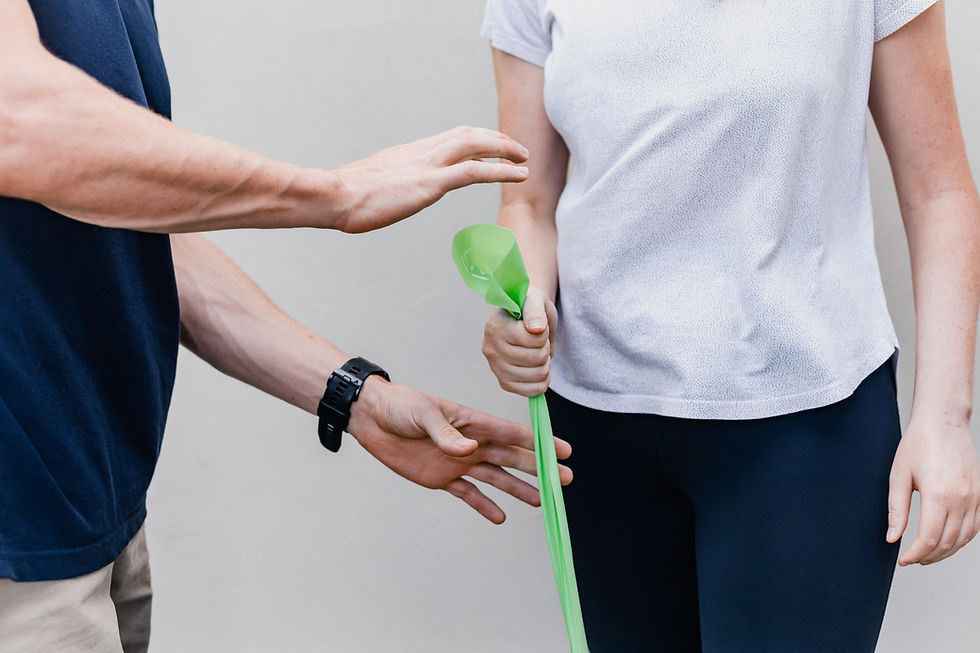
Musculoskeletal Physiotherapy
Shoulder and upper limb rehabilitation, particularly after surgery or radiotherapy, to improve strength and movement.
Our Treatment Approach

Personalised Care
Every patient is different. Your care is tailored to you, with support that evolves as your needs change.
Early Detection
We use evidence-based methods with bioimpedance to identify early lymphoedema changes before visible swelling develops.
Expert Guidance
Receive care from physiotherapist experienced and trained in lymphoedema management, with clear advice at every step.
Collaboration
We collaborate with your medical team so your care feels seamless, supported, and connected at every stage.
Who We Are
I’m a physiotherapist with over a decade of clinical experience, with a dedicated focus on lymphoedema and cancer rehabilitation. I’m passionate about providing thoughtful, individualised care—helping patients feel supported, informed, and confident at every stage of their journey.
Research insight
_2026-02-18_12-36-18%20copy.jpg)
Bioimpedance
Early detection using bioimpedance monitoring has been shown in clinical trials to reduce the risk of long-term lymphoedema by up to 11.3% (absolute reduction) and 59% (relative reduction), compared to traditional methods.
Explanation
Absolute reduction how many fewer people are affected?
Relative reduction how much lower is the risk compared to before?
https://pubmed.ncbi.nlm.nih.gov/36566297/


Compression
"Early treatment with a compression garment can prevent progression in mild breast cancer related lymphoedema"
https://pubmed.ncbi.nlm.nih.gov/35657063/